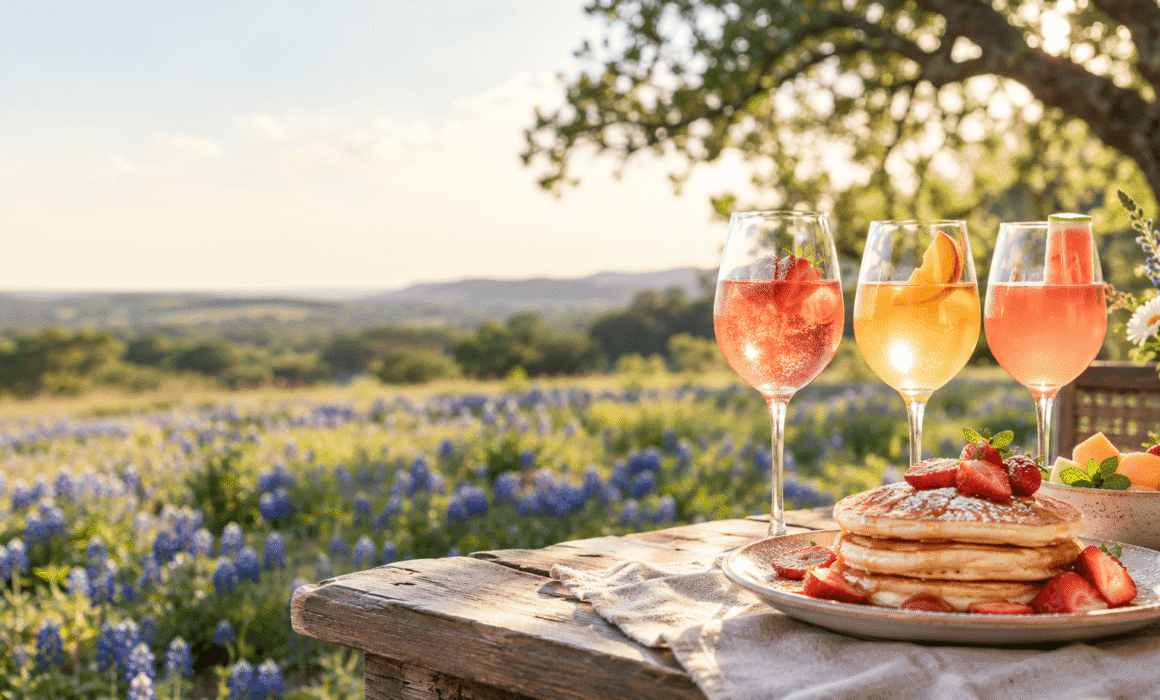

Rosé All Day: The Ultimate Guide to Your Favorite Pink Wine
There’s hardly anything more alluring than a chilled glass of Rosé on a patio deck during a summer afternoon. Its beautiful pink hue, delicate strawberry aroma, light and bright acidity, and clean, cool finish make it the ultimate refreshing treat. Sharing similarities with both red and white wines, Rosé is remarkably versatile when pairing with different foods.
As you sip this wonderful and refreshing wine, have you ever wondered how it’s made? Maybe, maybe not—but as a winemaker, it’s my duty to tell you! There are four primary methods to craft Rosé wine, each contributing to its unique flavor and color. Let’s dive into the world of Rosé and explore these techniques in detail.
The Art of Crafting Rosé: 4 Key Methods
1. Direct Press (Vin Gris Method)
The Vin Gris method is the secret behind the exquisite French Rosés from Provence. Grapes, typically red varietals like Cinsault, Grenache, Mourvèdre, Syrah, and Cabernet Sauvignon, are gently pressed. The juice has minimal contact with the skins, resulting in a very pale Rosé. This method is widely used in Provence and is also seen in Pinot Noir Rosés from the Loire Valley, Burgundy, and Oregon.
2. Maceration (Skin Contact Method)
In the maceration method, grapes are crushed and left in contact with the skins for a short period, usually between 2 to 24 hours. The longer the juice stays in contact with the skins, the deeper the pink color and the more intense the flavors. After maceration, the juice is pressed and fermented like white wine. This technique produces darker, more structured, and fruit-forward Rosés, such as Spanish Rosados and California Rosés made from Grenache and Syrah.
3. Saignée (Bleeding Method)
The Saignée method is a by-product of red winemaking and is commonly used in regions like Texas, Bordeaux, Napa Valley, Italy, and Rioja. In this technique, juice is bled off from the main vat after a few hours of skin contact. The remaining juice continues as red wine, while the bled-off juice is processed using white winemaking methods. This method produces bold, structured Rosés, such as our Bent Oak Collection Rosé of Mourvèdre and Sangiovese, Zinfandel Rosés from California, and Rosato Rosés from Italy.
4. Blending
As the name suggests, blending involves mixing a small amount of red wine with white wine to achieve a pink hue. This method is primarily used for sparkling Rosés, especially in Champagne, France. However, blending is rarely used for still Rosés and is even banned in some European wine regions due to the risk of unbalanced wines lacking freshness and complexity.

Why Rosé Wine is Making a Comeback
Rosé wines have surged in popularity over the past several years, and for good reason:
Changing Perceptions
Rosé is no longer associated with cheap, overly sweet wines like White Zinfandel or Lancers. Today’s dry, high-quality Rosés from regions like Provence, Spain, California, and Texas have redefined its image.
Social Media and the Rosé Lifestyle
Platforms like TikTok and Instagram have fueled the “Rosé all day” trend, showcasing its photogenic appeal and connection to luxury, travel, and leisure.
Versatility and Food-Friendliness
With its balanced acidity, fruitiness, and freshness, Rosé is the perfect warm-weather drink. It pairs beautifully with a wide range of foods, from salads and seafood to cheeses and even spicy dishes.
Shift Toward Lighter Wines
In recent years, consumers have gravitated toward lighter, refreshing wines with lower alcohol levels, making Rosé an easy-drinking favorite.

Find Your Perfect Rosé
Each method of crafting Rosé contributes unique characteristics, from pale and crisp to bold and fruity.
Do you have a preferred style? I suggest trying an example of each—and while you’re visiting us at Fat Ass Ranch and Winery, kick back with our Bent Oak Rosé.
Cheers to Rosé all day! 🥂